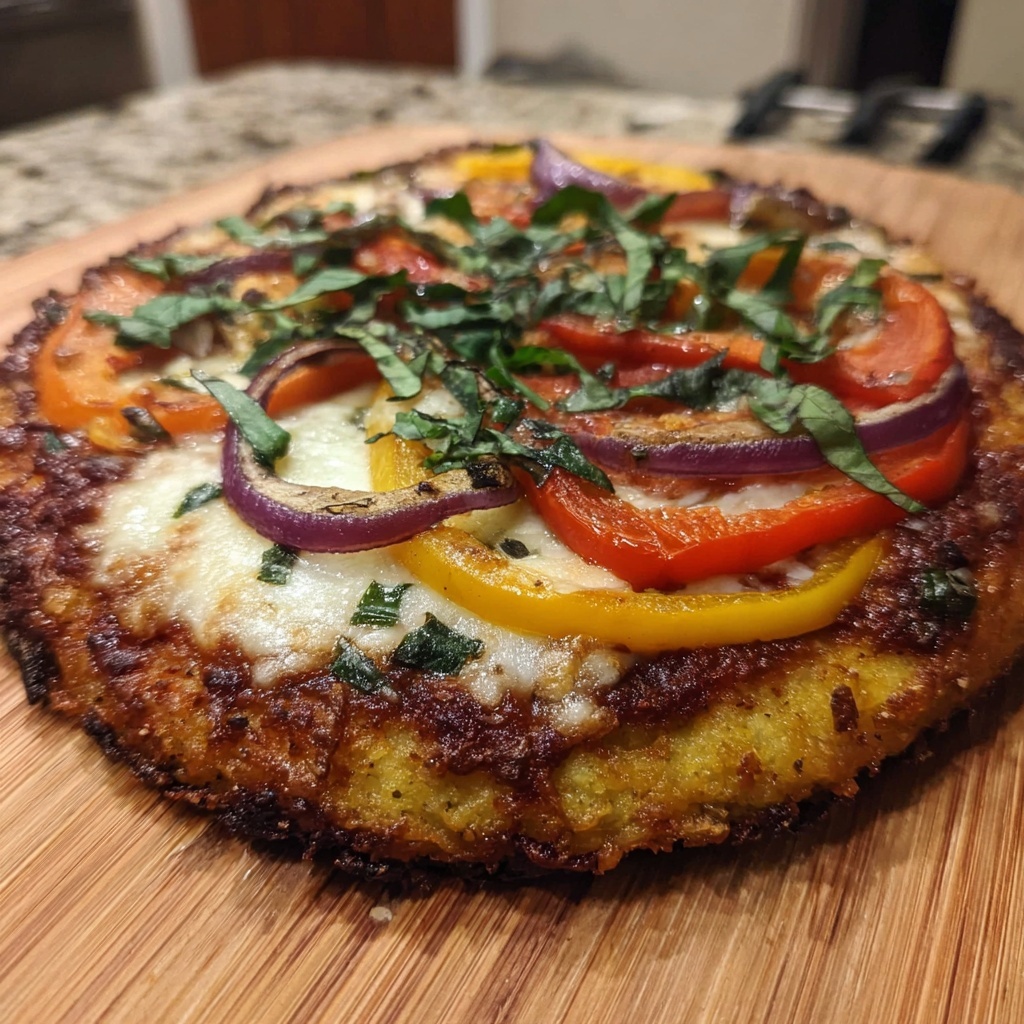
If you’ve been searching high and low for a pizza crust that is both gluten free and vegan without sacrificing flavor or texture, your search ends here. The Best Gluten Free Pizza Crust Vegan: 5 Surprisingly Simple Steps Recipe is my absolute favorite because it delivers a perfectly crispy, chewy base that acts as a blank canvas for all your favorite toppings. This recipe is not only straightforward but uses simple ingredients that come together with ease, making the pleasure of homemade pizza accessible to everyone, no matter your dietary needs.
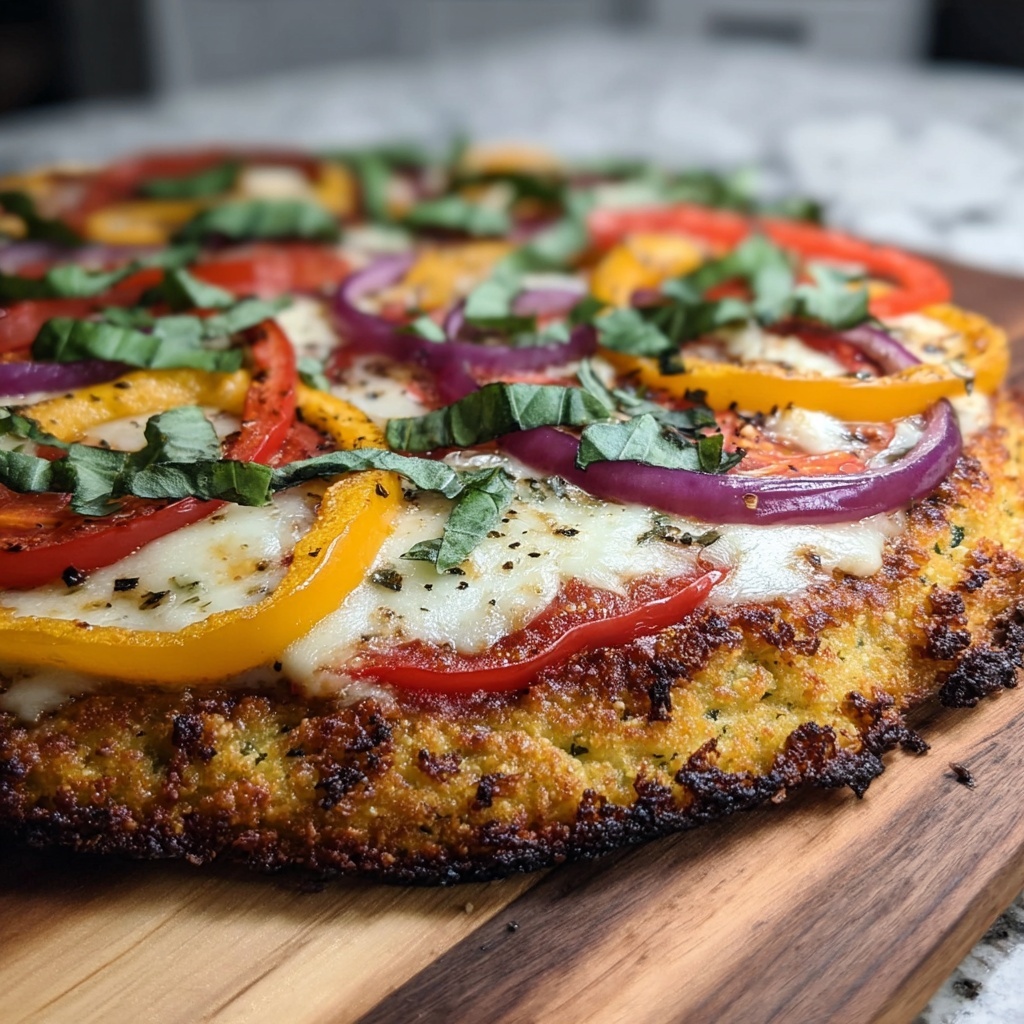
Ingredients You’ll Need
These ingredients are wonderfully simple but pack a punch in both taste and texture. Each plays an essential role, from creating that ideal dough consistency to delivering a subtle savory touch and a golden crust.
- 2 cups gluten free all-purpose flour: The foundation for your pizza crust that ensures it’s safe for gluten-sensitive folks without compromising on chewiness.
- 1 tablespoon baking powder: Acts as your leavening agent to give the crust some delightful puff and lightness.
- 1 teaspoon salt: Balances and enhances all the flavors in the crust while giving it a touch of savory depth.
- 1 tablespoon olive oil: Adds moisture and richness, creating a tender yet crispy texture.
- 1 cup water: Brings everything together to form a workable, pliable dough.
How to Make Best Gluten Free Pizza Crust Vegan: 5 Surprisingly Simple Steps Recipe
Step 1: Preheat and Prep
Start by preheating your oven to a toasty 425°F (220°C). Preheated ovens are key to achieving that perfect crust because they ensure a quick rise and crisp finish. Meanwhile, line your baking sheet with parchment paper to keep your pizza from sticking and make cleanup a breeze.
Step 2: Mix the Dry Ingredients
In a spacious mixing bowl, combine your gluten free all-purpose flour, baking powder, and salt. Stir them well so that the leavening and salt are evenly distributed throughout the flour. This step ensures each bite is subtly flavorful with a nice rise.
Step 3: Add the Wet Ingredients
Pour in the olive oil and water, then stir until the mixture transforms from dry crumbs to a cohesive dough. Gluten free dough tends to be a bit stickier and more delicate, so don’t be alarmed if it feels different from traditional dough.
Step 4: Shape Your Pizza Base
Transfer your dough onto the parchment-lined baking sheet and spread it evenly. You can shape it into a round or rectangle — whatever suits your craving. This step is where your creativity starts to shine, forming the perfect base for all the toppings you love.
Step 5: Bake and Top
Bake the crust for 10-12 minutes until it turns slightly golden. This partially cooks the dough so it will hold up beautifully under your chosen toppings. After this, add your favorite sauce, veggies, and vegan cheese, then pop it back into the oven for another 10-15 minutes until bubbly and irresistible.
How to Serve Best Gluten Free Pizza Crust Vegan: 5 Surprisingly Simple Steps Recipe
Garnishes
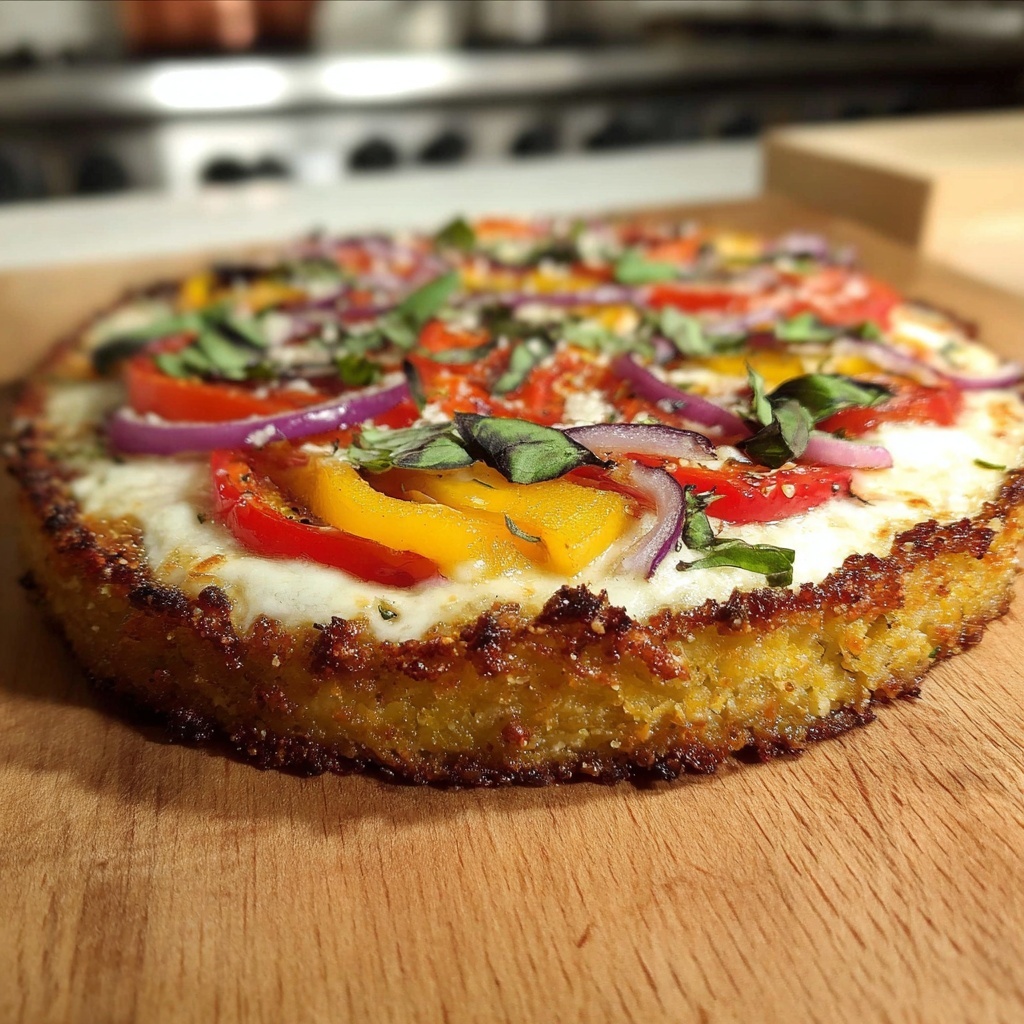
After baking, fresh garnishes like chopped basil, red pepper flakes, or a drizzle of extra virgin olive oil can elevate the flavors and add vibrant color. These little touches bring a freshness that everyone will appreciate.
Side Dishes
Pair your homemade pizza with a bright and crunchy salad or some roasted garlic green beans. They offer a complementary crispness and lighten up the meal, creating a balanced dining experience.
Creative Ways to Present
Try slicing your pizza into small squares for a party platter or serve alongside dipping sauces like vegan pesto or a smoky tomato chutney. Presentation is all about having fun and making it easy for everyone to enjoy.
Make Ahead and Storage
Storing Leftovers
Allow any leftover pizza crust or prepared pizza to cool completely before wrapping it tightly in plastic wrap or storing in an airtight container in the fridge. This keeps the crust from drying out and helps maintain its chewiness.
Freezing
You can freeze the unbaked dough or even a fully assembled pizza. Wrap it well with plastic wrap and then aluminum foil to prevent freezer burn. When you’re ready, thaw it overnight in the fridge before baking or reheating.
Reheating
To keep the crust nice and crispy, reheat by placing your pizza in a hot oven (about 375°F/190°C) on a baking sheet for 5-7 minutes. Avoid microwaving as it tends to make gluten free crusts gummy.
FAQs
Can I substitute the gluten free all-purpose flour with almond flour?
Almond flour has a different texture and moisture content, which can affect the dough’s elasticity and rise. For this recipe, sticking with gluten free all-purpose flour gives the best results in terms of texture and structure.
Is olive oil necessary or can I use another oil?
Olive oil is preferred for its flavor and how it integrates with the dough, but you can substitute it with avocado oil or sunflower oil. Just make sure the oil is mild in flavor so it doesn’t overpower your crust.
Can I make this pizza crust without baking powder?
Baking powder is crucial for lightness and rise in this recipe. Omitting it will result in a denser crust that lacks that airy crunch we all love.
How thick should I spread the dough?
A quarter-inch to half-inch thickness works wonderfully for gluten free dough; thinner can lead to brittleness while thicker might be too doughy. Experiment to find your perfect bite!
Can I add herbs or spices to the dough?
Absolutely! Adding dried oregano, garlic powder, or rosemary to the dry mix is a great way to infuse extra flavor straight into the crust, making your pizza even more memorable.
Final Thoughts
I can’t recommend this Best Gluten Free Pizza Crust Vegan: 5 Surprisingly Simple Steps Recipe enough if you want a delicious, fuss-free pizza that accommodates your dietary needs without compromising on taste. It’s straightforward, versatile, and truly a joy to make at home. So grab those ingredients and let’s get baking — your perfect slice awaits!
Print
Best Gluten Free Pizza Crust Vegan: 5 Surprisingly Simple Steps Recipe
- Prep Time: 10 minutes
- Cook Time: 25 minutes
- Total Time: 35 minutes
- Yield: 1 pizza crust (serves 1)
- Category: Main Course
- Method: Baking
- Cuisine: American
- Diet: Gluten Free, Vegan
Description
This vegan and gluten-free pizza crust is delightfully simple and quick to prepare, requiring just five easy steps. Using basic pantry ingredients, the crust comes out slightly golden, crisp, and perfect as a base for your favorite toppings. Ideal for those with gluten sensitivities or who follow a vegan diet, this recipe delivers a tasty homemade pizza experience in under 35 minutes.
Ingredients
Dry Ingredients
- 2 cups gluten free all-purpose flour
- 1 tablespoon baking powder
- 1 teaspoon salt
Wet Ingredients
- 1 tablespoon olive oil
- 1 cup water
Instructions
- Preheat Oven: Preheat your oven to 425°F (220°C) to ensure it is hot and ready for baking the crust.
- Mix Dry Ingredients: In a large bowl, combine the gluten free all-purpose flour, baking powder, and salt. Stir them well to evenly distribute the baking powder and salt throughout the flour.
- Add Wet Ingredients: Pour in the olive oil and water to the dry mixture. Stir continuously until a cohesive dough forms, ensuring it is evenly mixed and free of lumps.
- Shape Dough: Transfer the dough onto a parchment-lined baking sheet. Using your hands or a spatula, spread the dough evenly into your desired pizza crust shape, about 1/4-inch thick for optimal cooking.
- Bake Crust: Bake the dough in the preheated oven for 10-12 minutes or until it is set and slightly golden on the edges.
- Add Toppings and Bake: Remove the crust from the oven and add your favorite vegan and gluten-free toppings. Return it to the oven and bake for an additional 10-15 minutes until the toppings are cooked and the crust is fully crisped.
Notes
- Ensure to use a gluten free all-purpose flour blend that contains xanthan gum for best texture.
- You can customize the thickness of the crust by spreading the dough thinner or thicker according to preference.
- This recipe serves one standard pizza crust; double the ingredients to make a larger pizza.
- Be cautious during topping bake time to avoid overcooking crust and toppings.
- Use parchment paper to prevent sticking and ease cleanup.