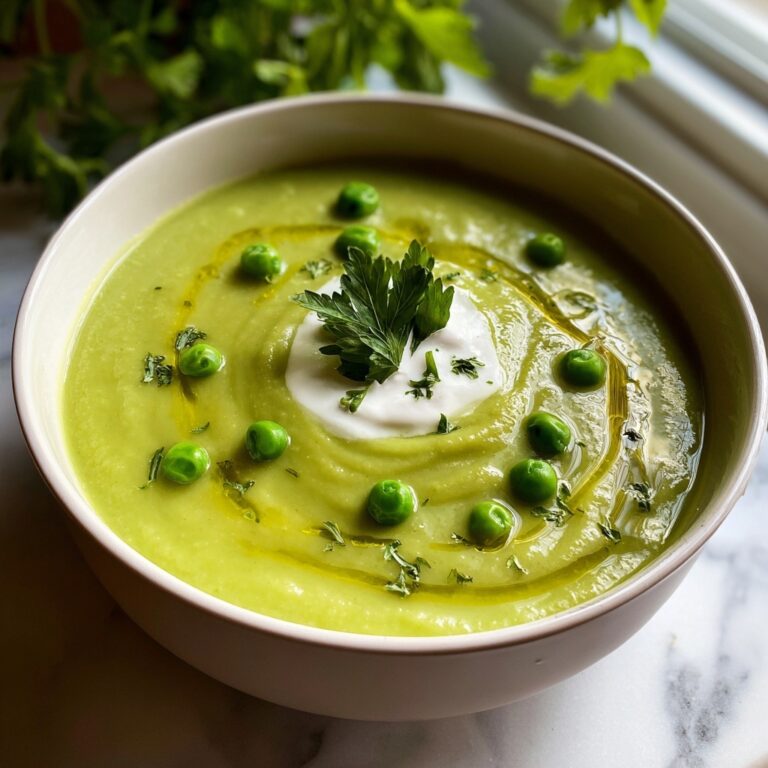
There is something truly magical about a velvety, citrus-kissed Hollandaise sauce that elevates any dish it graces. If you have ever wanted to master this classic emulsion, let me introduce you to my favorite approach called Hollandaise Sauce: 5 Comforting Tips for Perfect Flavor Recipe. It’s uncomplicated yet delivers that rich, buttery creaminess balanced by a bright hint of lemon, making it ideal for brunch favorites like eggs Benedict or as a luxurious drizzle on vegetables. Whether you’re a sauce-savvy home cook or just beginning your culinary journey, these warm, practical tips will have you whisking with confidence in no time.

Ingredients You’ll Need
The beauty of this Hollandaise lies in its few but essential ingredients, each playing a crucial role in creating that smooth, luscious texture and refreshing tang. Knowing what to use and why helps you appreciate how every element contributes to the sauce’s signature flavor and consistency.
- 3 large egg yolks: They are the base that forms the emulsion, providing richness and thickness.
- 1 tablespoon lemon juice: Adds brightness and subtle acidity to balance the butter’s richness.
- 1/2 cup unsalted butter, melted: Offers a creamy, buttery backbone without adding unwanted saltiness, letting you control seasoning better.
- Salt to taste: Enhances all the flavors and rounds out the sauce for perfect seasoning.
How to Make Hollandaise Sauce: 5 Comforting Tips for Perfect Flavor Recipe
Step 1: Whisk Egg Yolks and Lemon Juice
Start by vigorously whisking the egg yolks with lemon juice in a heatproof bowl until the mixture thickens and lightens in color. This initial aeration is crucial—it builds volume and ensures the sauce will be silky. Be patient here, as this foundation sets up a smooth emulsion later. The lemon juice not only imparts flavor but also helps stabilize the eggs during cooking.
Step 2: Slowly Add Melted Butter
Next comes the moment to slowly drizzle in your warm, melted butter while continuously whisking. Adding the butter gradually keeps the emulsion from breaking, creating a luscious, creamy texture. If you pour too fast or stop whisking, the sauce can split, so keep a steady hand and an enthusiastic wrist! This step is the heart of the Hollandaise magic.
Step 3: Season Thoughtfully
After incorporating the butter, season with salt to taste. Salt is a powerful enhancer that brings out the luxurious flavors you’ve developed. Don’t be afraid to taste and adjust—this is where you personalize the sauce to your preference. A pinch here can make all the difference.
Step 4: Serve Immediately or Keep Warm
Hollandaise is best enjoyed fresh and warm. Serve it right away over your favorite dishes for the ultimate creamy finish. If you need to wait, keep the sauce warm by setting the bowl over a pot of warm water, but avoid overheating as the eggs can curdle. This will preserve the silky texture and perfect flavor balance until you’re ready to dig in.
Step 5: Embrace Gentle Heat and Whisking
Throughout your preparation, keep the heat gentle and the whisk moving. Too much heat can scramble the eggs, while too little whisking can cause separation. Remember, patience and motion make a flawless Hollandaise. This comforting tip is a little mindset boost: don’t rush—make it an enjoyable moment in your kitchen.
How to Serve Hollandaise Sauce: 5 Comforting Tips for Perfect Flavor Recipe

Garnishes
Garnishing isn’t just about looks—it adds delightful texture and subtle flavors that can elevate your Hollandaise experience. Chopped fresh herbs like tarragon or chives add a fresh burst that contrasts beautifully with the richness. A sprinkle of smoked paprika or a few cracked black peppercorns can bring a warm depth and gentle spice, letting your sauce shine with personality on every plate.
Side Dishes
This beloved sauce pairs famously with steamed asparagus, poached eggs, and even crispy roasted potatoes. Each side dish complements or contrasts its smoothness—crisp veggies offer crunch, potatoes deliver hearty comfort, while eggs add a luscious element of their own. Think about balance on the plate and let your creativity run free with seasonal produce for an effortless, restaurant-quality meal at home.
Creative Ways to Present
Thinking outside the brunch box? Use your Hollandaise as a drizzle over grilled seafood like salmon or scallops for an elegant dinner twist. Or try it as a dip alongside artfully arranged crudités at your next gathering. You can even lighten it with a touch of Greek yogurt for a tangier riff. Serving in small ramekins alongside individual plates lets guests tailor their experience, making every meal feel special.
Make Ahead and Storage
Storing Leftovers
Hollandaise is best fresh but can be stored in the refrigerator for up to one day if you must save leftovers. Place it in an airtight container and gently rewarm before serving. Keep in mind, its delicate texture may slightly change, but with careful reheating, it will still bring joy to your palate.
Freezing
Because of its egg base and delicate emulsion, freezing Hollandaise sauce is generally not recommended. Freezing can cause it to break and lose that creamy consistency that makes it so comforting. For the best flavor and texture, it’s always better to make a fresh batch when needed.
Reheating
When reheating, do so gently over a double boiler or in a bowl set over warm water, whisking constantly to encourage smoothness. Avoid the microwave or direct heat, which can curdle the sauce in seconds. This slow, loving approach helps revive the sauce’s original luxurious feel.
FAQs
Can I use whole eggs instead of yolks?
Traditional Hollandaise relies on egg yolks for that rich texture and smoothness. Whole eggs contain more water and can make the sauce thinner or less stable. For best results, stick to yolks only.
What if my sauce breaks or separates?
If your Hollandaise breaks, don’t panic! Try whisking in a teaspoon of warm water or an additional egg yolk in a separate bowl, then slowly whisk your broken sauce into it to bring it back together. Steady whisking and gentle heat are key to prevention.
Can I make this recipe vegan?
Traditional Hollandaise uses eggs and butter, but vegan versions use ingredients like plant-based butters and aquafaba. Those are fun to experiment with but require a slightly different technique for stable emulsions.
How long does Hollandaise stay safe to eat?
Since it contains raw eggs, it’s best eaten fresh or within a few hours if stored warm. Refrigerate promptly if saving leftovers and consume within 24 hours to avoid food safety issues.
Is lemon juice essential?
Yes, lemon juice is important not just for flavor but also for helping stabilize the emulsion and balancing richness. You can substitute with a mild vinegar if needed, but lemon gives that classic bright note.
Final Thoughts
Now that you’ve walked through the Hollandaise Sauce: 5 Comforting Tips for Perfect Flavor Recipe, I hope you’re inspired to whisk up this silky, tangy delight in your own kitchen. It’s a simple recipe with a little bit of magic, perfect for turning everyday meals into celebrations. Embrace the process, savor every spoonful, and share this delicious tradition with the people you love.
Print
Hollandaise Sauce: 5 Comforting Tips for Perfect Flavor Recipe
- Prep Time: 5 minutes
- Cook Time: 10 minutes
- Total Time: 15 minutes
- Yield: 4 servings
- Category: Sauce
- Method: Stovetop
- Cuisine: French
Description
This classic Hollandaise Sauce recipe guides you through creating a rich, creamy, and tangy sauce perfect for elevating dishes like eggs Benedict, steamed vegetables, and grilled fish. With just a few simple ingredients and straightforward steps, you can achieve a perfectly smooth and flavorful sauce every time.
Ingredients
Hollandaise Sauce Ingredients
- 3 large egg yolks
- 1 tablespoon lemon juice
- 1/2 cup unsalted butter, melted
- Salt, to taste
Instructions
- Whisk egg yolks and lemon juice: In a bowl, vigorously whisk together the 3 large egg yolks and 1 tablespoon lemon juice until the mixture thickens and lightens in color, which helps to incorporate air and begin emulsifying the sauce.
- Drizzle in melted butter: Slowly drizzle the melted unsalted butter (1/2 cup) into the egg yolk mixture while continuously whisking. This gradual incorporation is crucial to creating a smooth and stable emulsion without curdling.
- Season with salt: Add salt to taste, whisking briefly to combine and enhance the sauce’s flavor profile.
- Serve or keep warm: Use the sauce immediately for best texture and flavor, or keep it warm gently by placing the bowl over a warm water bath until ready to serve. Avoid overheating to prevent breaking the sauce.
Notes
- Use fresh eggs for optimal flavor and safety.
- Ensure the melted butter is warm but not hot when adding to prevent curdling.
- If the sauce begins to separate, whisk in a teaspoon of cold water to help bring it back together.
- Serve immediately for best texture; reheating requires gentle warming to avoid breaking.
- Hollandaise pairs beautifully with asparagus, eggs Benedict, and seafood dishes.