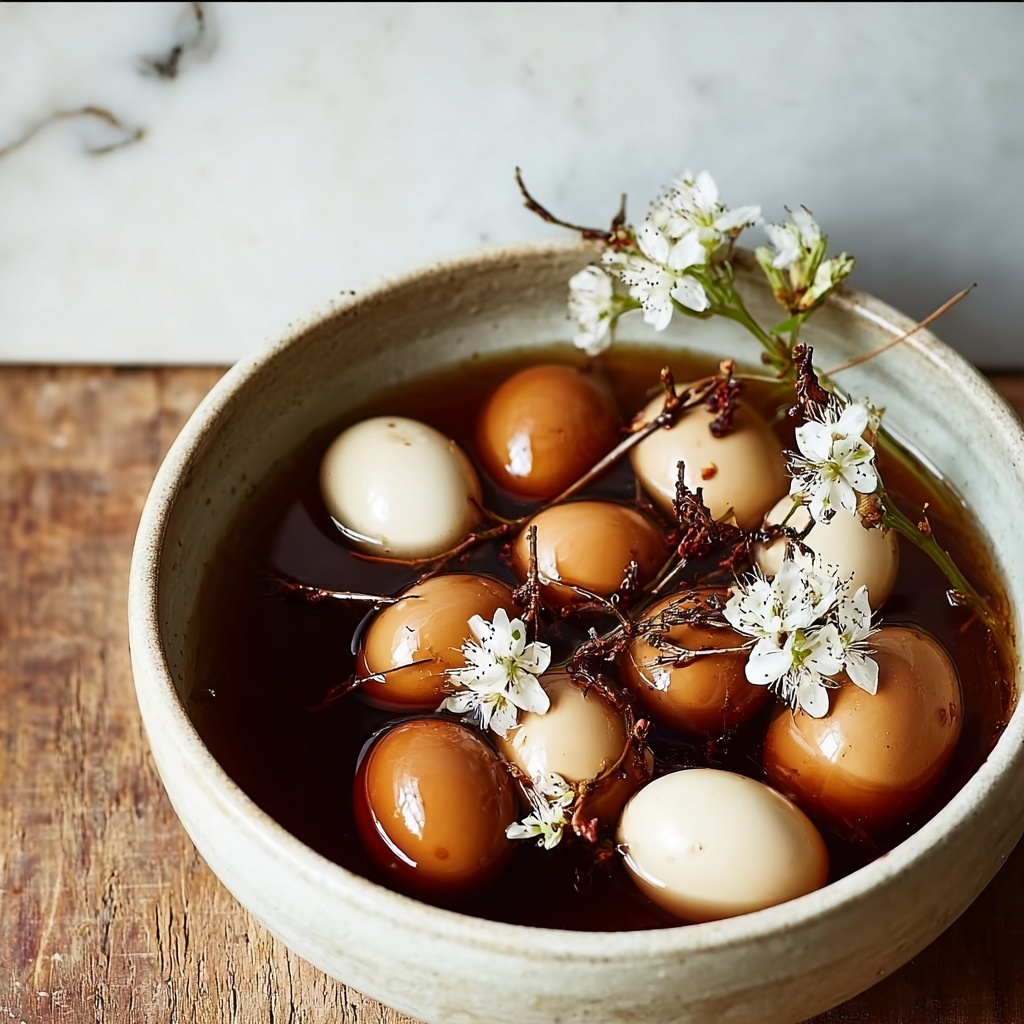
If you have ever wanted to indulge in a simple yet deeply flavorful treat, the Slow Simmered Tea-Stained Eggs with Onion Peels and Cardamom Recipe is absolutely worth trying. This unique recipe transforms humble eggs into a rich, aromatic delight, tinted by the natural tea stain from onion peels and infused with the warm, fragrant notes of cardamom. It’s like a comforting hug in edible form, where every bite delivers a subtle complexity that will have you reaching for more again and again.
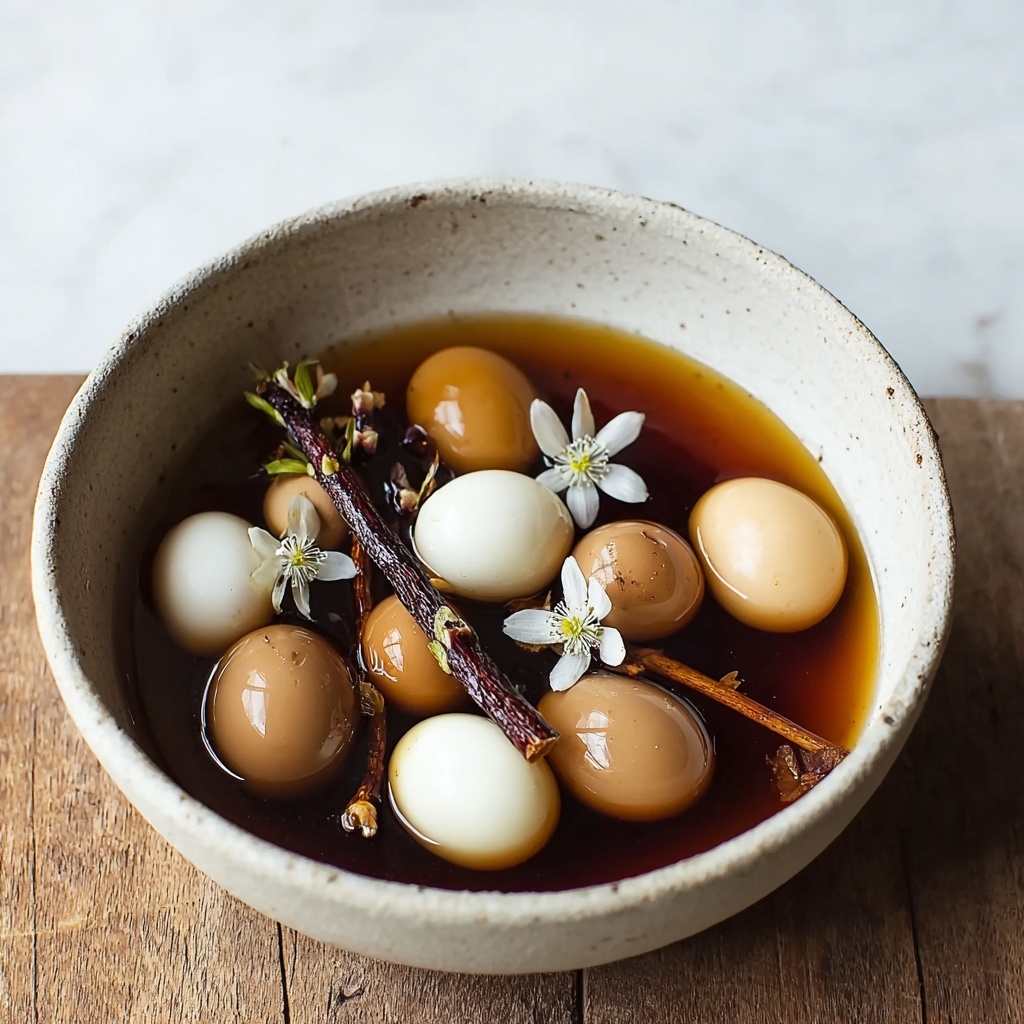
Ingredients You’ll Need
The magic of this Slow Simmered Tea-Stained Eggs with Onion Peels and Cardamom Recipe lies in its simplicity and quality of ingredients. Each component plays a crucial role in building layers of flavor, color, and aroma that make these eggs so special.
- 6 pieces Eggs: Free-range or cage-free eggs add the best natural flavor and texture for this slow-simmered delicacy.
- 2 cups Onion Peels: These create a rich, amber-colored tea stain and impart a subtle sweetness; yellow onion skins work beautifully as a substitute.
- 3 tablespoons Darjeeling Tea: Whether loose leaf or brewed, Darjeeling tea brings a delicate floral note that complements the earthiness of the onion peels.
- 4 pieces Cardamom Pods: Optional, but highly recommended to add warmth and a hint of exotic spice that elevates the entire dish.
- 8 cups Water: Needed to cover the ingredients adequately, allowing the flavors to seep into the eggs slowly and evenly.
How to Make Slow Simmered Tea-Stained Eggs with Onion Peels and Cardamom Recipe
Step 1: Prepare Your Ingredients
Begin by gathering your eggs, onion peels, Darjeeling tea, cardamom pods, and water. Make sure your eggs are at room temperature to prevent cracking during cooking. Using quality ingredients ensures the final taste is rich and balanced.
Step 2: Set Up the Pot
Place the eggs gently into a large pot, add the onion peels and Darjeeling tea next. Toss in the cardamom pods for that alluring fragrance. Pour in enough water to cover everything by at least 2 inches, which is vital for a thorough and even infusion of flavors during simmering.
Step 3: Bring to a Boil and Then Simmer
Turn the stove on medium heat and bring the mixture to a rolling boil. Once it reaches a boil, reduce the heat to the lowest setting. Now comes the slow part—let it simmer gently for a full 8 hours or overnight. This extended simmer is what makes the Slow Simmered Tea-Stained Eggs with Onion Peels and Cardamom Recipe so extraordinary, as the eggs absorb every bit of the aromatic essence.
Step 4: Crack the Shells
Two hours before finishing, carefully crack the eggshells on a hard surface without peeling them entirely, then return the eggs to the pot. This step lets the flavorful tea and spices seep into the cracks, creating beautiful marbled patterns and intensifying the taste.
Step 5: Final Cooking and Cooling
Allow the eggs to continue simmering for the remaining two hours. Once done, you can serve the eggs hot, warm, or chilled. Each serving temperature offers a different but equally delightful experience of the tea-stained goodness.
How to Serve Slow Simmered Tea-Stained Eggs with Onion Peels and Cardamom Recipe
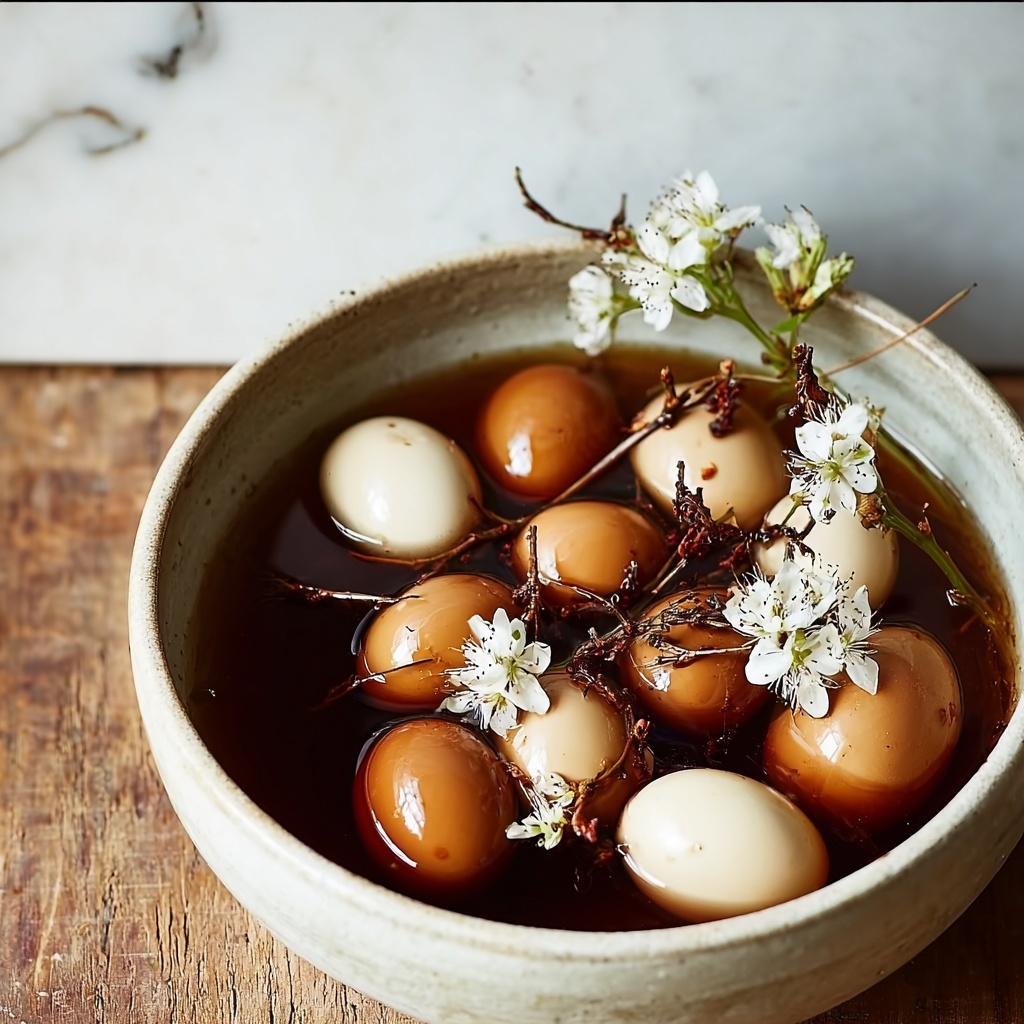
Garnishes
To complement the complex flavors of the Slow Simmered Tea-Stained Eggs with Onion Peels and Cardamom Recipe, fresh herbs like cilantro, dill, or chives work wonderfully. A sprinkle of flaky sea salt or a dash of black pepper can add a final, flavorful pop.
Side Dishes
These eggs shine most when paired with simple, fresh sides such as lightly toasted bread, crisp salads, or steamed greens. Their subtle sweetness and aromatic infusion balance richer accompaniments like creamy avocado or mild cheeses beautifully.
Creative Ways to Present
Try slicing the eggs and placing them atop warm noodles drizzled with sesame oil for an Asian-inspired lunch. Alternatively, chop them into salads or add them to grain bowls for extra color, texture, and an unexpected depth of flavor provided by the tea staining and cardamom.
Make Ahead and Storage
Storing Leftovers
If you have any Slow Simmered Tea-Stained Eggs with Onion Peels and Cardamom Recipe left, keep them in an airtight container in the refrigerator. They hold beautifully for up to 4 days, and the flavors actually continue to mellow and develop over time, making leftovers just as delightful as fresh.
Freezing
Freezing hard-cooked eggs is generally not recommended due to texture changes upon thawing. Since these tea-stained eggs are best enjoyed fresh or refrigerated, it’s wise to prepare only the quantity you can comfortably consume within a few days.
Reheating
Reheat by briefly immersing the eggs in hot water or gently microwaving for just a few seconds. Avoid prolonged heat as it could toughen the whites. Alternatively, these eggs are delicious enjoyed cold, showcasing their complex flavors in a refreshing way.
FAQs
Can I use black tea instead of Darjeeling tea?
Yes, black tea can be used in place of Darjeeling tea. However, Darjeeling is preferred because of its lighter, floral notes that blend beautifully with the onion peels and cardamom in this recipe.
Why crack the eggshells before the final simmer?
Cracking the shells allows the tea and spices to penetrate the egg whites, creating marbled patterns and intensifying the flavor without fully peeling the eggs prematurely.
Is it necessary to use onion peels?
Onion peels provide the unique tea stain and subtle sweetness to the eggs. You can substitute with yellow onion skins if onion peels aren’t available, but avoid using the white onion flesh to prevent off flavors.
Can I shorten the simmer time?
While you can reduce simmering time, the signature flavor and color develop best with the full 8 hours of low heat application. Patience really pays off with this recipe!
Are cardamom pods essential?
Cardamom pods add warmth and depth, but they are optional. If you prefer a simpler flavor, you can leave them out or try other spices like cinnamon or star anise for variety.
Final Thoughts
Trust me when I say that the Slow Simmered Tea-Stained Eggs with Onion Peels and Cardamom Recipe is a game-changer for your egg repertoire. Its unique combination of slow cooking, natural staining, and delicate spices creates a comforting and visually stunning dish that’s perfect for breakfasts, snacks, or even special occasions. Give it a try, and I promise it will become one of your treasured kitchen secrets!
Print
Slow Simmered Tea-Stained Eggs with Onion Peels and Cardamom Recipe
- Prep Time: 15 minutes
- Cook Time: 8 hours
- Total Time: 8 hours 15 minutes
- Yield: 4 servings
- Category: Appetizer
- Method: Slow Cooking
- Cuisine: Tea-infused, Asian-inspired
- Diet: Halal
Description
Slow Simmered Tea Stained Eggs are a flavorful and aromatic delight, infused with the natural sweetness of onion peels, the robust notes of Darjeeling tea, and warming cardamom pods. These eggs develop a rich, tea-stained exterior and a deeply infused savory flavor through a long, gentle simmer, perfect for serving hot, warm, or chilled as a unique snack or appetizer.
Ingredients
Eggs
- 6 pieces Eggs (Free-range or cage-free are best for flavor.)
Tea and Flavorings
- 2 cups Onion Peels (You can substitute with 2 yellow onions.)
- 3 tablespoons Darjeeling Tea (Loose leaf or brewed tea is acceptable.)
- 4 pieces Cardamom Pods (Optional, for added warmth.)
Liquid
- 8 cups Water (Ensure it covers ingredients by at least 2 inches.)
Instructions
- Combine Ingredients: Place the eggs, onion peels, Darjeeling tea, and water into a large pot. Stir gently to mix all ingredients evenly, ensuring a uniform infusion during cooking.
- Check Liquid Level: Make sure the water covers the eggs and other ingredients by at least 2 inches to allow proper flavor extraction.
- Bring to Boil: Heat the pot over medium heat until the mixture reaches a rolling boil.
- Slow Simmer: Reduce the heat to very low and let the mixture simmer slowly for 8 hours or overnight, allowing the flavors to deeply penetrate the eggs.
- Crack Shells: About two hours before the simmering time ends, carefully crack the eggshells on a hard surface, then return them to the pot to continue absorbing flavor through the cracks.
- Serve: Once fully cooked, remove the eggs and serve them hot, warm, or chilled based on your preference.
Notes
- Using free-range or cage-free eggs enhances flavor and texture.
- Cracking the eggshells before the final 2 hours helps the flavors seep in and creates a beautiful marbled pattern on the egg whites.
- If onion peels are not available, yellow onions can be used as a substitute for color and mild sweetness.
- This recipe requires long simmering time; an overnight cook results in the best flavor.
- Make sure to maintain very low heat during simmering to prevent the eggs from overcooking or cracking prematurely.